
What Should You Look for When Buying an Iron Entry Door?
When buying an iron entry door, look for durable steel construction, quality finishes, appropriate glass, secure hardware, weather protection, energy-performance features, accurate sizing, professional installation, and a clear warranty. The best iron door is not simply the most attractive option. It should be built for your home’s climate, security needs, architectural style, and expected level of maintenance.
At Iron Doors Plus, Inc., choosing an iron door is about finding the right balance of craftsmanship, performance, security, and design. With more than 15 years of experience and a team of skilled metal workers and iron forgers, Iron Doors Plus creates handcrafted entry doors designed to make a lasting architectural statement. Homeowners can select from custom designs, finishes, glass styles, and other details while receiving guidance throughout the selection process. Whether you are replacing an existing front door, remodeling an entryway, or choosing doors for new construction, knowing what separates a quality iron door from an attractive-looking alternative can help you make a more confident investment.
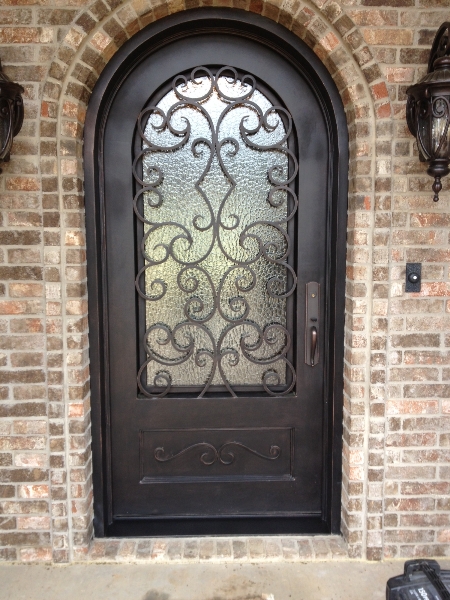
How to Choose a Quality Iron Front Door
A quality iron front door should be evaluated as a complete system. Construction, glass, finish, weather protection, hardware, energy performance, installation, and warranty should all be considered before you buy.
Use the following factors as a checklist when comparing iron entry doors.
What Type of Construction Should You Look for in an Iron Door?
Start by asking exactly how the door and frame are constructed. A front door is used every day and exposed continuously to weather, so structural quality matters just as much as decorative ironwork.
Look for details such as:
- Steel thickness and construction
- Frame design
- Quality of welds and joints
- Hinge construction
- Insulation, where applicable
- Glass construction
- Weather sealing
- Corrosion-resistant preparation and finishes
For example, Iron Doors Plus lists 12-gauge steel, ball-bearing hinges, foam-insulated tubing, and dual-pane glass among the construction specifications for its Timeless Iron products.
Do not judge an iron door by weight or appearance alone. Ask the manufacturer or supplier to explain the materials and construction behind the finished product.
Practical tip: When comparing quotes, request specifications for each door. Two products that look similar in photographs can have very different construction, finishing, glass, and hardware.
How Important Are the Finish and Rust Protection?
The finish is critical because an exterior iron door needs protection from moisture and environmental exposure. Quality preparation beneath the visible topcoat can be just as important as the color you choose.
Ask how the manufacturer prepares and protects the metal before applying the decorative finish.
Iron Doors Plus says its Timeless Iron products undergo a multi-step anti-rust treatment that includes heavy-duty sandblasting, hot zinc galvanizing, zinc primer, top coating, and hand finishing.
Homeowners should also understand that no exterior iron product should be treated as completely maintenance-free. Exposure varies considerably depending on the home’s location, rainfall, humidity, salt air, irrigation, covered entryways, and other environmental factors.
When shopping, ask:
- What anti-rust treatment is applied?
- What maintenance does the finish require?
- Are certain finishes better suited to my home’s exposure?
- What does the warranty say about rust and finish deterioration?
- How should scratches or damaged finishes be addressed?
Getting these answers before purchasing can prevent unrealistic expectations later.
What Glass Should You Choose for an Iron Front Door?
Choose glass based on privacy, natural light, security, appearance, and energy performance, not appearance alone. Glass can account for a substantial portion of an iron door’s design, so it deserves careful consideration.
Iron Doors Plus offers options including clear, frosted, laminated, tinted, rain, glacier, and bronze reflective glass. Different options serve different purposes.
For example:
- Clear glass maximizes visibility and natural light.
- Frosted or glacier glass increases privacy while allowing light inside.
- Rain glass combines texture, privacy, and decorative interest.
- Tinted glass can help reduce solar heat gain and UV exposure.
- Laminated glass adds safety characteristics and sound insulation.
- Bronze reflective glass can reflect solar radiation while increasing daytime privacy.
Energy performance becomes particularly important when choosing a door with substantial glazing. According to the National Fenestration Rating Council (NFRC), Solar Heat Gain Coefficient, or SHGC, measures how much solar heat a product allows inside. Lower SHGC values mean greater resistance to solar heat gain.
NFRC also uses U-factor to measure heat transfer through doors and windows. A lower U-factor indicates better insulating performance.
If energy efficiency matters for your project, ask whether verified performance ratings are available for the specific door and glass configuration you are considering.
Should Energy Efficiency Matter When Buying an Iron Door?
Yes, particularly when the door contains significant glass or is exposed to intense sun or temperature changes. Energy performance depends on the complete door assembly, not simply whether the door is made from iron or steel.
The U.S. Environmental Protection Agency’s ENERGY STAR program explains that exterior door performance criteria account for glazing level, or how much glass the door contains. ENERGY STAR-certified windows, doors, and skylights are independently tested and certified through NFRC.
When comparing iron doors, investigate features such as:
- Insulated or dual-pane glass
- Low-E glass
- Thermal break technology, where available
- Quality weather stripping
- Properly sealed glass
- Air leakage
- Professional installation
Iron Doors Plus’s Metro Line, for example, offers double-pane insulated Low-E glass. Metro Steel products also incorporate thermal break construction designed to help reduce thermal energy transfer.
Not every iron door is constructed the same way, so ask about the specific product line rather than assuming a feature is standard across every model.
What Should You Check Before Ordering an Iron Door?
Confirm measurements, swing direction, design, glass, finish, hardware, installation requirements, lead times, and warranty terms before approving the order. Custom architectural products can be difficult and expensive to modify after manufacturing begins.
A useful pre-purchase checklist includes:
- Door width and height
- Rough opening dimensions
- Single or double-door configuration
- Inswing or outswing operation
- Left-hand or right-hand operation
- Sidelights or transoms
- Glass style and privacy level
- Finish and color
- Handles and locking hardware
- Threshold and weather sealing
- Installation responsibilities
- Maintenance requirements
- Warranty coverage
Professional measurement can be especially valuable when replacing an existing door. Walls, thresholds, flooring, trim, and existing openings can create installation considerations that are not obvious from a simple width-and-height measurement.
Also read the warranty before purchasing, not after installation. Understand what is covered, what is excluded, what maintenance is expected, and whether environmental exposure affects coverage.
Frequently Asked Questions About Buying Iron Doors
How thick should an iron door be?
There is no single thickness that determines whether an iron door is high quality. Evaluate the gauge and construction of the steel, frame design, hinges, welds, insulation, glass, finish, and overall engineering together rather than relying on one measurement.
Are iron doors energy efficient?
Iron doors can incorporate energy-conscious features such as insulated glass, Low-E coatings, weather stripping, and thermal breaks in applicable designs. If energy performance is a priority, ask for U-factor, SHGC, or other verified performance information for the specific configuration.
What glass is best for an iron front door?
The best glass depends on your priorities. Clear glass maximizes natural light, frosted and textured glass increase privacy, while Low-E, tinted, or reflective options can help manage solar heat.
How do you know if an iron door is good quality?
Look beyond appearance. A quality iron door should have well-documented construction, durable finishing, appropriate glass and hardware, effective weather sealing, clear maintenance requirements, professional installation options, and transparent warranty terms.
Invest in an Iron Door With Confidence
Buying an iron door is a long-term investment in your home’s entrance, so the decision should involve more than choosing the design you like best. Construction quality, corrosion protection, glass, energy performance, hardware, measurements, installation, maintenance, and warranty coverage should all be reviewed before you place an order.
Iron Doors Plus, Inc. combines handcrafted ironwork with extensive customization options to help homeowners create entrances that complement their architecture and practical needs.
Ready to find the right iron door for your home? Contact Iron Doors Plus, Inc. to discuss your project and explore your options.